



The Phase Method · Your body isn't random, it's patterned.
The Phase Method

Your body isn't random, it's patterned.

Most plans assume you'll respond the same way on day 24 as you did on day 4. You don't, and that's why they stop working around week three. The Phase Method gives you a plan that accounts for it: what to eat, how to train, and what to do on the weeks that feel harder for no reason.

Follow it, and something else happens along the way. You start to recognize your own patterns, and you stop needing to be told.

A crescent moon among faint stars, banked by rust-coloured cloud.
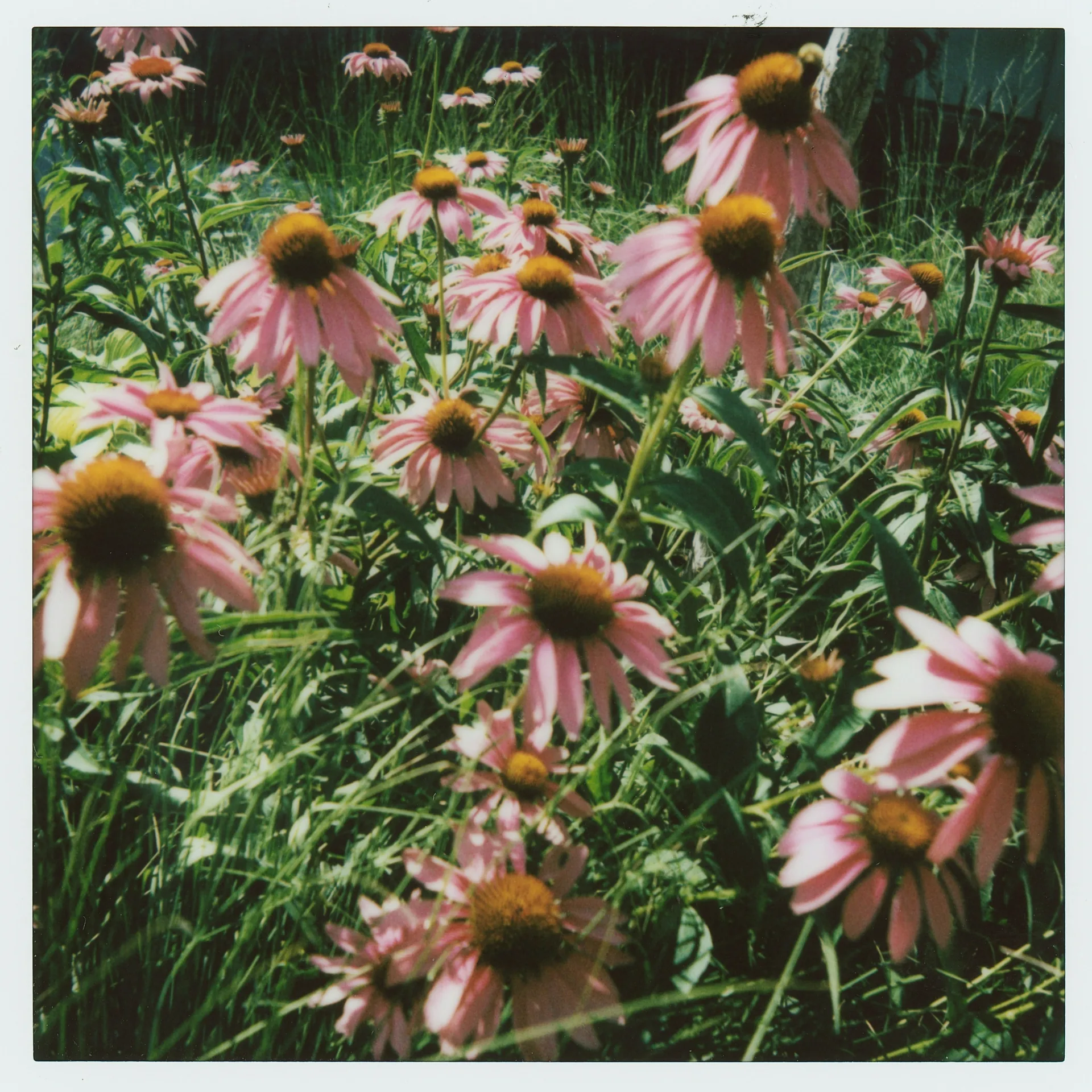
A stand of pink coneflowers, petals angled every direction.
White daisies at close range, some sharp, most falling out of focus.
Sunlight breaking into points across shallow water over sand.
An arm reaching down to meet the surface of cool water.
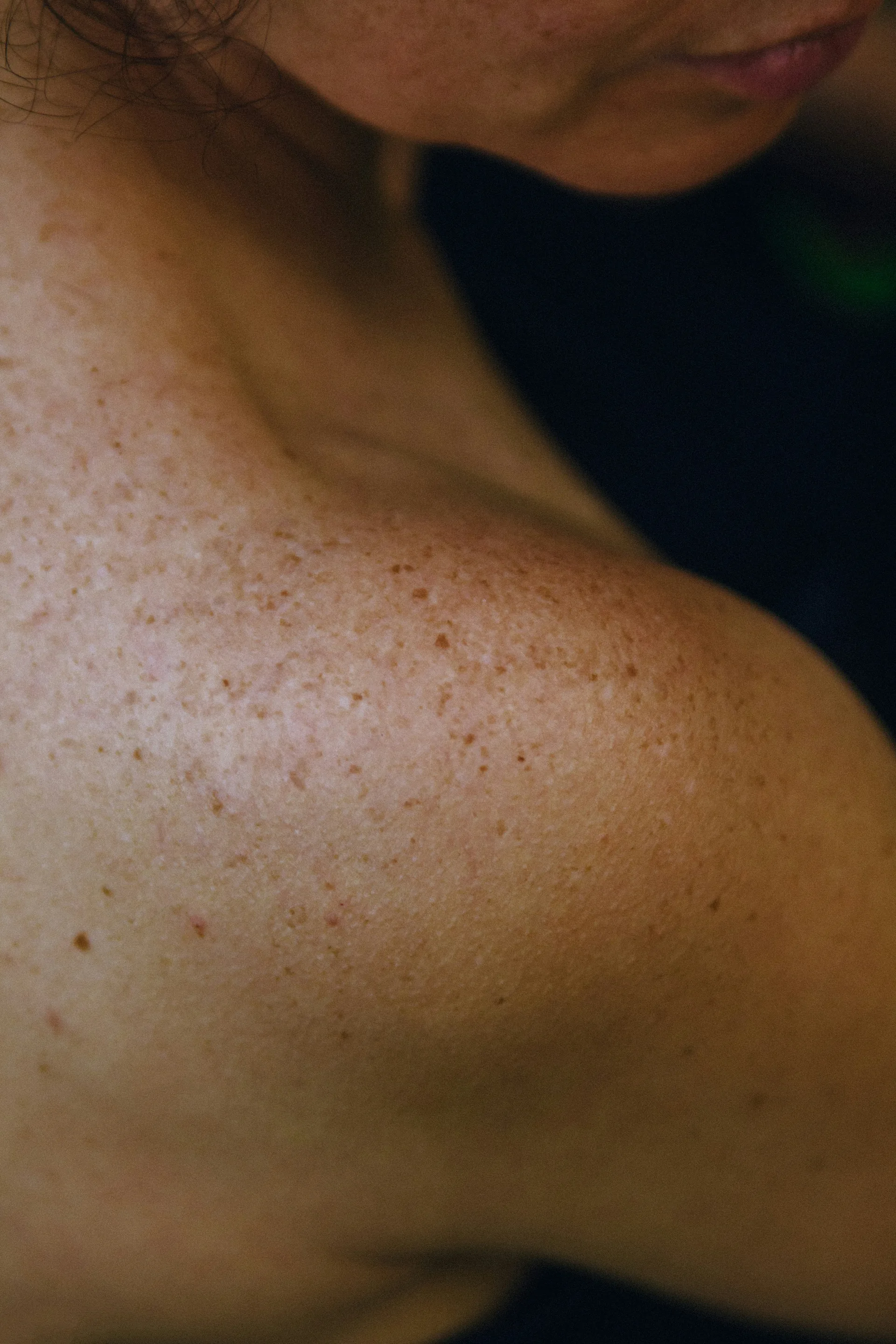
Freckles scattered across a shoulder, read close, like a constellation.

found pattern, photographed close

Notice. Put it in context. Choose.

The method works in three moves, and they repeat every cycle. You notice what's happening, you put it next to where you are in your month, and then you decide. Same three steps whether you're deciding about food, training, or a rest day.

Notice

step 01

Pay attention to what's happening without rushing to fix it. Track enough to see what changes, what repeats, and what keeps showing up together.

Put it in context

step 02

Look at the whole picture: your cycle, sleep, stress, food, training, health, and what's happened before. One day rarely tells the whole story.

Choose

step 03

Use what you know to decide what makes sense now. You might push, adjust, rest, or leave the plan alone.

Start with what's useful. Make it your own.

The Phase Method gives you a place to begin, then helps you make it more personal over time. Learn what tends to change across the cycle, track what happens in your own body, and use what you learn to shape the way you eat, train, recover, and live.

Each guide does something different. Together, they help you see what keeps happening in your body and use that information in a way that fits your life.

Body Literacy Journal

the foundational tool · observation · $19


Track what changes, what repeats, and what you're beginning to understand about yourself.

Explore the journal

Cycle-Synced Fat Loss

guide no. 1 · nutrition and fat loss · $37


Use your cycle, your data, and your own experience to build a more workable approach to fat loss.

Explore the guide

28-Day Training Plan

guide no. 2 · training and recovery · $37


A cycle-aware training plan you can adjust around your energy, strength, recovery, and life.

Explore the plan

Symptom Literacy

coming soon · symptom patterns


Learn what feels familiar for you, what deserves a closer look, and what keeps showing up together.

Join the waitlist

Lifestyle Support

coming soon · routines and support


Use what you've learned about your body to shape the routines that support it.

Join the waitlist

The Applied Guides Bundle

Bring your nutrition and training into the same framework. The bundle includes Cycle-Synced Fat Loss and the 28-Day Training Plan, so you can use what you know about your cycle to shape both sides of the plan.

$59 · $74 when purchased separately · save $15

Use the Body Literacy Journal alongside the guides to see how the plan fits your body over time. It's purchased separately.

Explore the journal $19

For the woman who wants to understand her own pattern

  • She's tried enough plans to know that following one perfectly isn't the same as understanding her body. She pays attention, she's willing to track, and she wants practical structure, but she doesn't want another system that asks her to ignore what she's experiencing.
  • She wants to know why the same effort can feel different from one week to the next, what's worth adjusting, and what can simply be left alone.
  • She's not looking for another plan that ignores what's happening in her body. She wants to be told what to do by someone who can explain why the last one stopped working.
  • She wants structure without rigidity, useful data without obsession, and a way of working with her body that becomes more personal over time.
Sunlight breaking into repeating points across shallow water.

This started with me trying to understand my own body

I didn't set out to create a method. I was just trying to understand why it felt like my body was controlling me, instead of the other way around.

I started tracking just enough to compare one part of the month with another and one cycle with the next. I watched my hunger, energy, strength, recovery, sleep, weight, mood...all the things, and noted what was happening around all of it.

Over time, I saw what tended to repeat, what needed a closer look, and what made more sense once I put it in context.

The Phase Method grew from that process. What I did f'n worked. So I took the structure that helped me and turned it into a plan other women could follow.

I followed my own plan exactly for about a year. That structure is what taught me my patterns. These days I skip rest days in my first two phases because I know I'll recover in the back half, but I earned that by not skipping them for a year.

Want to know what you are working with first?

You can start with the guides today. But if you want to know what you're working with first, the Map takes a few minutes to read and gives you something to compare against next month.

The 28-Day Body Literacy Map gives you a simple place to start. Use it to notice what changes across the month, what feels familiar, and what comes back around.

The day ranges are a starting point, not something your body has to match. If your cycle is irregular, shifting, or you're in perimenopause, follow your own timing and pair the Map with the Body Literacy Journal.

By the end of one cycle, you'll have something real to compare.

    free · no spam · unsubscribe any time

    Build something you can keep.

    The more you understand your own pattern, the less often one hard day gets to decide what happens next. You know when to adjust, when to wait, and when to leave the plan alone.